

National Walking Month
#Walkout
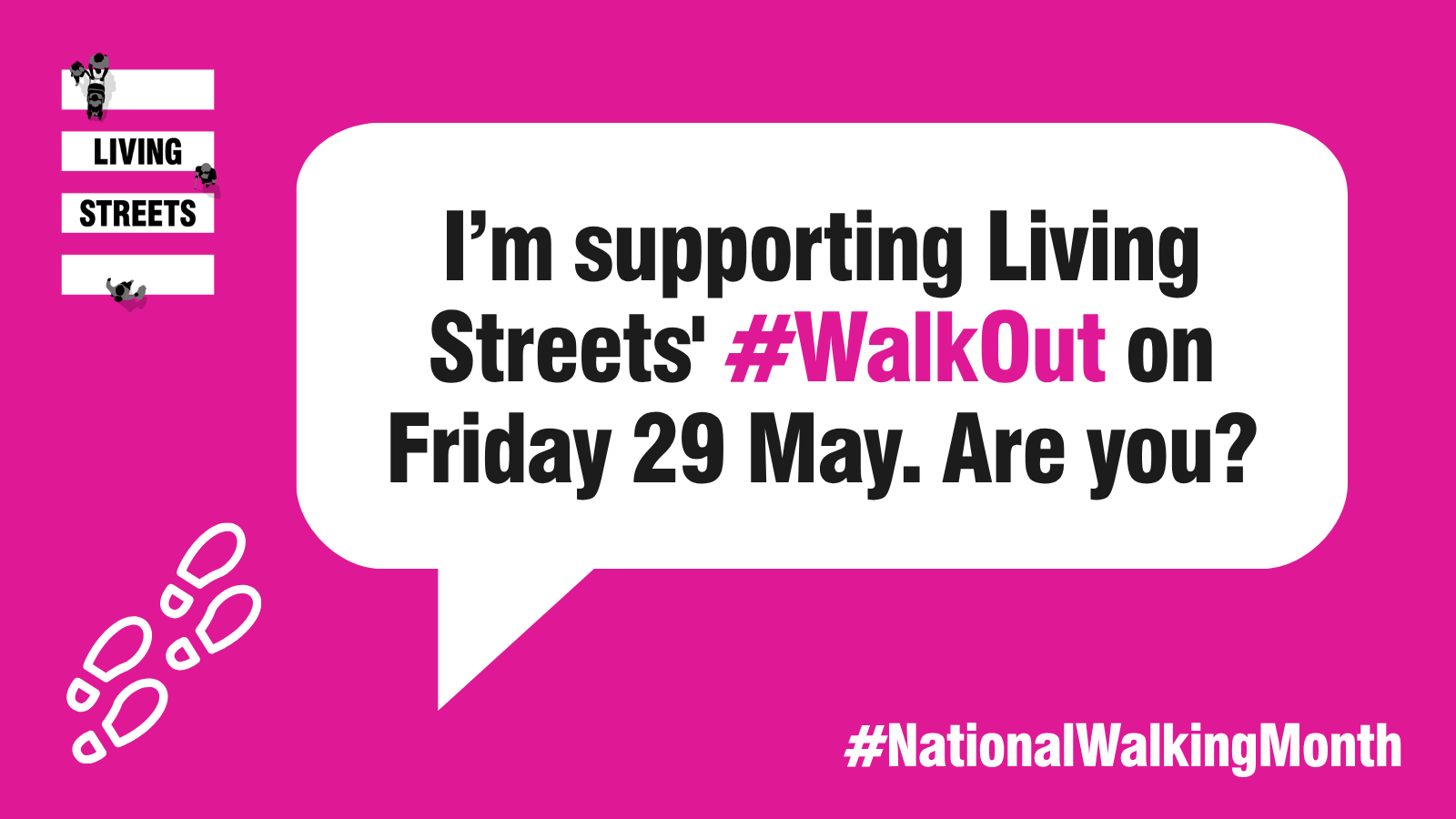
As we step into May, the UK celebrates National Walking Month. Led by the charity Living Streets, this campaign isn’t just about getting from A to B—it’s a nationwide push to rediscover the simplest, most accessible form of exercise we have.
Whether you are recovering from an injury or just looking to improve your general health, walking is often the “secret weapon” in a physiotherapist’s toolkit. Here is why this month matters and how it connects to the world of physiotherapy.
Why Walking is “Physiotherapy in Motion”
Physiotherapists often prescribe walking as a foundational exercise because it is low-impact and functional. It mimics the movements our bodies were designed for, helping to restore natural biomechanics.
1. Joint Lubrication and “WD-40” for the Knees
Joint cartilage doesn’t have its own blood supply; it relies on movement to stay healthy. When you walk, the pressure and release (compression) circulate synovial fluid. Think of this as the body’s natural WD-40—it delivers nutrients and oxygen to the joint surfaces, reducing stiffness and pain in conditions like osteoarthritis.
2. Building “Dynamic Stability”
Walking isn’t just about legs. It requires your core, glutes, and back muscles to work together to keep you upright. A regular walking habit strengthens the muscles that support your spine and hips, creating a natural “brace” that prevents future injuries.
3. Bone Density
Because walking is a weight-bearing exercise, it sends signals to your bones to become denser and stronger. This is a critical part of physiotherapy for patients managing or preventing osteoporosis.
Top Physio Tips for Walking This May
- Check Your Footwear: Ensure your shoes have a supportive arch and a cushioned heel. If you’re experiencing foot or ankle pain, a physiotherapist can check if you need specific insoles (orthotics).
- The “Brisk” Test: To get the cardiovascular benefits, aim for a “brisk” pace. This means you can still talk, but you couldn’t sing a song.
- Start Small, Scale Smart: If you are recovering from an injury, don’t aim for 10,000 steps on day one. Start with 10 minutes of level walking and gradually increase your time by 10% each week.
- Use an aid if you need: many of our patients tell me they are not ready for a walking aid, but also avoid activity as they are scared of falling. Don’t let pride trip you up!
- Posture Matters: Keep your head up, shoulders relaxed, and let your arms swing naturally. Avoid looking down at your phone, which puts unnecessary strain on your neck (cervical spine).
Join the #WalkOut this May
This year Living streets is highlighting the benefits of walking for women. Encouraging women to get out for a walk or wheel daily to improve health and wellbeing.
At Houlbrook Physiotherapy, we spend a lot of time talking to patients about the mechanics of movement and walking, it makes up many of our treatments. We prescribe walking because it is one of the most effective ways to manage joint health, improve bone density, and support cardiovascular recovery, not to mention the psychological benefits of getting outside for a walk in nature. However, we know that for many in our community, the decision to go for a walk isn’t just about physical ability—it’s about feeling safe.
This May, as part of National Walking Month, we are throwing our full support behind the #WalkOut campaign on 29th May.
Why Safety is a Public Health Issue
As physiotherapists, we advocate for “active travel” and daily movement. But the reality is that many women, girls, and minority genders are put off walking due to poorly lit streets, harassment, and a lack of safety infrastructure.
When fear prevents someone from stepping outside, it doesn’t just impact their peace of mind—it limits their physical health. To truly support our patients’ wellbeing, we must support their right to safe streets.
The #WalkOut Challenge
On 29th May, we are inviting you to #WalkOut for 20 minutes. Whether it’s from your home, your workplace, or meeting up with a group of friends, this is about reclaiming our public spaces and demanding safer environments for our daughters, mothers, grandmas, and friends.
- For our female patients: We want you to be able to “walk and wheel” with confidence, focusing on your stride and your breath rather than your surroundings.
- For our male patients: You don’t have to be a woman to #WalkOut. You can walk in solidarity or support the campaign by taking charge of a “life admin” journey (like the school run or the big shop), giving a woman in your life the time to walk purely for the joy of it.
How Movement Empowers
A body that moves without the “guarding” response of stress is a body that heals faster. By advocating for safer streets, we are advocating for a community that can stay active, mobile, and healthy for longer.
Mark your calendars for 29th May. Sign the #WalkOut pledge, get your 20 minutes of movement in, and let’s make our streets a place where everyone feels they belong.
Are you planning on joining us for the #WalkOut? Let us know or tag us in your walking photos on the 29th!